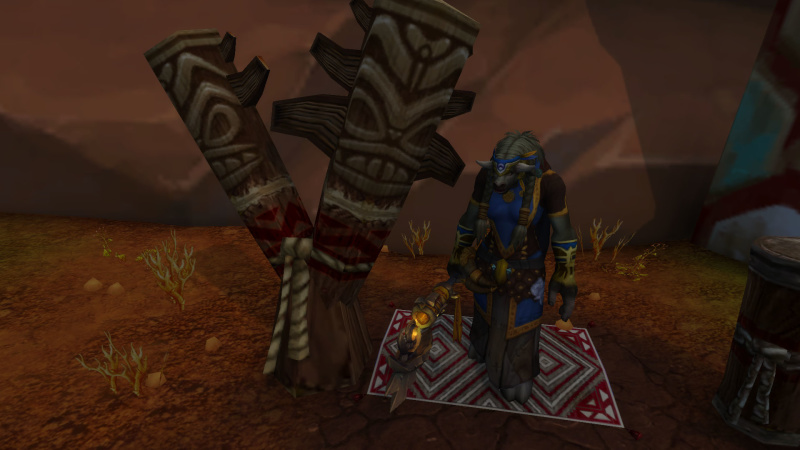
The Barrens Chat phenomenon has become a cultural touchstone within the World of Warcraft community, particularly among Horde players. This… Continue reading →
Successfully running dungeons in WoW Classic relies on having the right gear and enough supplies to handle every fight without stopping. Dungeon pulls can drain your health and mana quickly, and lacking key stat boosts or durable armor makes each pull riskier and slower. When you buy WoW Classic Gold, you erase the gap between what you have and what you need before a dungeon run. Instead of spending hours farming for a single weapon upgrade or grinding herbs for potions, you can top up your gold balance and purchase everything on your checklist at once. This means you spend less time on low‑reward tasks and more time inside the dungeon, clearing packs, earning loot, and enjoying the fast pace of group play. By targeting gold buys at clear preparation steps—gear gaps, consumable stocks, and repair funds—you keep your runs smooth and your group happy.
Buying gold for dungeon prep works best when you focus on the items and services that save the most time or effort. A missing off‑hand item that drops 2–3 times per week can keep you farming for days; a small gold purchase fills that slot immediately. Running out of potions halfway through a run forces everyone back to town, breaking group momentum. Repair bills after a wipe can leave you stranded at the corpse run. Each of these moments is a preparation bottleneck that costs more time than the gold needed to cover it. By investing gold in these areas, you clear the path for multiple runs without interruptions, so you can stack experience, loot, and gold more efficiently than ever before.
Throughout this article, we’ll break down the key areas where spending bought gold pays off before a dungeon session. You’ll see exactly which gear slots to fill, how many consumables to stock, and how much repair gold to carry. We’ll also cover tools like enchants, gems, and travel aids that further smooth your dungeon progress. With clear steps and a simple gold budget, you’ll handle every run with full confidence, cut downtime, and get the most out of your WoW Classic dungeons.
Key Gear Upgrades Before a Run
Gear makes the biggest impact on dungeon speed and safety. Before you queue up or head to an instance, check your weapon, off‑hand (if you use one), chest, and boots slots—these items deliver the largest stat boosts per gold spent. For damage dealers, a weapon with extra attack power or spell damage can shave seconds off each pack clear, which adds up over multiple pulls. Tanks need chest and boots that boost stamina and defense to hold agro without losing health. Healers benefit from off‑hand items or rings that add spirit and mana regeneration, reducing downtime between healing spells.
To find the best deals, list your missing slots and check both vendor stock and auction listings. Vendors often sell mid‑tier green or blue items at fixed prices; after each server reset, revisit vendors to see new stock. On the Auction House, sort by lowest buyout for your item level. Remember to add the 5 percent auction house cut to the listing price when you calculate cost. If the auction price plus fee is lower than the vendor price, pull the trigger and buy. Aim to spend no more than 4–5 gold total on these core slots at level 60, or proportionally less if you’re at lower brackets. Filling these priority slots first gives you a solid base that other upgrades build on.
If you still need a specific item that isn’t available, use bought gold to cover the gap. For example, if you need a 2‑hand mace with high damage and can’t find it after a quick farm, spend 3–4 gold on an Auction House purchase. That buy replaces hours of waiting for a drop. With these slots filled, you enter the dungeon with the power level you need to clear trash quickly and handle bosses without gear‑related deaths. This targeted gold spend turns your runs from slow, cautious crawls into smooth, confident clears.
Stocking Consumables and Repair Funds
Consumables and repair funds are the safety net that keeps dungeon runs going without costly breaks. Health potions and mana potions restore large pools at the push of a button, letting your group clear multiple packs before anyone needs to hearth back. Buff foods and elixirs add flat stat bonuses—strength, agility, intellect, spirit, stamina—that tip fights in your favor. Purchasing these items ahead of time with gold means you avoid long farming sessions for ingredients. For a typical level‑60 run, stock at least: 20 health potions, 20 mana potions, two stacks of buff food (20–40 servings total), and stacks of key elixirs such as Elixir of the Mongoose or Elixir of Fortitude.
Set aside about 1–2 gold for consumables per run at max level; lower levels cost proportionally less. Buy in stacks to capture Auction House bulk discounts—five to ten at a time. Hold an extra stack in your bank so you never miss restocking before the next group. For repairs, always carry at least 5 gold in your bag at level 60, or 1–2 gold at lower levels. Repair costs rise with item quality and damage taken; a full raid clear can cost 2–3 gold in one go. Having the gold on hand prevents stalls between pulls and avoids the need to run back to town mid‑dungeon.
By combining consumable purchases and repair funds in your gold budget, you ensure continuous dungeon action. You skip the herb runs and corpse runs, so your group stays on task and your runs finish faster. This approach turns each gold spent into more time clearing content and less time on downtime, making bought gold a direct tool for dungeon success.
Enchants and Gems for Dungeon Power
Adding the right enchants and gems boosts your key stats and speeds dungeon clears. Enchants apply fixed bonuses directly to gear slots, while gems fit into sockets to add main or split stats. For a typical level‑60 dungeon run, focus on enchants for your weapon, chest, and bracers, and gems for sockets in your helmet and belt. Weapon enchants like Crusader add on‑hit strength that increases your damage over time, while bracer enchants such as Superior Stamina raise your health pool for tougher pulls. Socket a mix of red, yellow, and meta gems to match your gear’s slots and activate bonus effects.
Enchant/Gem
Slot
Cost (gold)
Stat Gain
Enchant Weapon – Crusader
Weapon
2.0 g
+45 Strength on hit
Enchant Chest – Super Health
Chest
1.0 g
+250 Health
Enchant Bracer – Superior Stamina
Bracers
0.8 g
+9 Stamina
Enchant Boots – Minor Speed
Boots
0.5 g
+8% Movement Speed
Mighty Stamina (Red) Gem
Helmet/Belt
2.5 g
+10 Stamina
Swift Dawnstone (Yellow) Gem
Helmet/Belt
1.5 g
+4 Agility, +4 Critical Strike
Insightful Earthstorm Diamond (Meta)
All
5.0 g
+5 All Stats when HP above 90%
To apply these boosts:
Identify empty slots on your current dungeon set.
Compare cost per stat point: divide gold cost by total stat gain.
Buy in bulk: purchase five or more gems or enchant scrolls to lower per‑unit cost.
Visit an enchanter or socket bench: apply enchants and install gems before entering the dungeon.
By focusing on high‑impact enchants and gems, you raise your damage output, health pool, and movement speed instantly. These stat boosts shorten each pull, reduce heal load, and let you handle larger packs, cutting overall dungeon run time.
Travel and Pull Tools
Beyond gear, certain consumables and items help you move faster and control pull pace inside the dungeon. Swiftness Potions boost your movement speed for short bursts, letting you kite packs or reposition quickly. Free Action Potions break slows and roots, keeping you on target or avoiding melee attacks. For pull control, tools like Throwing Daggers with slow effect or a Mind Flay spell (for casters) pause enemy advances and give your group time to stack. Keeping these items ready means fewer wipes and faster clears.
Key travel and pull tools list:
Swiftness Potion: +30% movement speed for 15 seconds (0.2 g each)
Free Action Potion: immune to slows and roots for 25 seconds (0.3 g each)
Throwing Sludge for Rogues or Mind Flay Scrolls for Casters: crowd‑control pull start (0.1–0.2 g)
Hearthstone: instant return to bind point (cooldown timer)
Mage Portals or Warlock Summon Services: group pull setup or exit (0.75–1.0 g per use)
Use these steps before running:
Stock five to ten of each consumable.
Coordinate with your group on who carries which tool to avoid duplication.
Plan safe pull routes: use speed boosts to lure mobs without hitting patrols.
Bind your hearthstone at the dungeon’s entrance inn for fast resets.
With these tools on hand, you move between pulls quickly, manage pack size without over‑pulling, and recover from mistakes fast. The result is smoother runs and more loot per hour.
Group‑Ready Extras
Beyond personal gear and consumables, certain add‑ons and services help the whole group run smoother. Repair bots or vendor bots inside the dungeon save trips out for repairs or supplies. A healer or tank can place a Repair Bot consumable (if available via profession), letting everyone fix gear without leaving. Hiring a Mage or Warlock in your guild to set up a portal or summon service cuts down on travel time between instances or to town for vendor restocks.
Vendor Bot Summons – uses profession or item to summon a merchant NPC.
Guild Portals – Mage portals to major cities for quick restock runs.
Warlock Summons – group summons to instance entrance.
Buff Bot Rotation – designated Mage or Druid for Arcane Intellect or Mark of the Wild.
Steps to set up extras:
Assign roles before the run: who brings repair bot, who handles portals, who provides buffs.
Pool gold for any reagent costs or guild fund fees.
Place items in a shared bank or send to the run leader for easy access.
Rotate duties to spread reagent cost and avoid burdening one player.
By adding these group services, you cut out vendor runs, maintain buffs, and keep repair costs low. The whole party benefits with less downtime, tighter pulls, and more runs per session.
Testing and Tweaking Your Setup
Even the best‑planned gear and consumable mix can fall short in practice. Test one change at a time in a quick run to measure its impact. For example, swap in a new weapon enchant and compare the time it takes to clear a familiar pack of mobs. Then return to your previous setup if the gain is below 5 percent—that threshold ensures each upgrade justifies its gold cost. Keep a simple log of test results:
Change Tested: e.g., “Crusader enchant vs. Lifestealing.”
Metric Measured: e.g., “Time to clear 10 mobs.”
Result: e.g., “Crusader was 8 seconds faster (4% gain).”
Decision: e.g., “Keep Crusader” or “Revert.”
Repeat this process for consumable stocks and pull tools. If using five Swiftness Potions shaves one minute off a run, budget five per session. If a certain elixir gives no noticeable edge, drop it next time. This data‑driven approach ensures your gold spend always goes to items that deliver clear time savings. Over multiple runs, you refine a loadout that fits your play style and maximizes dungeon speed for the gold invested.
Conclusion
Buying WoW Classic Gold for dungeon runs pays off when you spend on the right items at the right time. Fill your key gear slots with gold‑bought upgrades to boost damage, healing, or tanking ability. Stock consumables and repair funds so you never grind for potions or worry about a wipe turning into a run‑back. Add high‑impact enchants, gems, and pull tools to speed each pack clear. Use group‑ready extras like repair bots and portals to cut downtime for everyone. Budget your gold across multiple runs, time purchases at market lows, and test changes with simple logs to keep your setup sharp.
With this plan, your bought gold becomes a tool for consistent dungeon success, not a shortcut that skips core gameplay. You still farm some gold and engage with content, but targeted buys fill the gaps that slow your group. Follow these steps to enter every dungeon session fully prepared, run after run, and enjoy faster clears, more loot, and a smoother WoW Classic experience.